
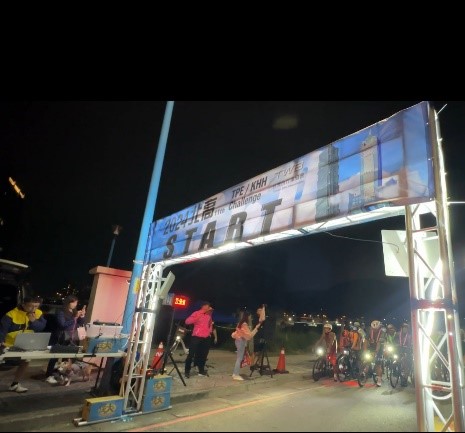
7 Key Points to Prepare for the North-South Taiwan Double Tower Long-Distance cycling
Every autumn and winter, many cycling enthusiasts gear up to tackle Taiwan’s long-distance races, especially the “North-South Taiwan” or “Double Tower” events. For those who love a challenge, these races are an excellent opportunity to push beyond personal limits! If you’re planning to participate, in addition to building your physical fitness, there are some crucial details to keep in mind. Here’s a guide to the essential knowledge needed to complete the North-South Taiwan/Double Tower race, helping you take on this long-distance journey with ease!
1.Race Overview
The “North-South Taiwan/Double Tower” race features two main routes:
- From Taipei’s Bali Liao Tian Ding Temple to Kaohsiung’s Ping Shan Elementary School: approximately 360 kilometers.
- From Fugui Cape to Eluanbi: approximately 520 kilometers.
These two routes allow cyclists to experience the breathtaking scenery of Taiwan’s western region in a single day. While most sections are relatively flat, the challenge remains significant, requiring thorough preparation to complete within the time limits.
2. Equipment Preparation:
Having the right gear is essential for completing a long-distance race:
- Warm Clothing: Bring lightweight and packable cycling jackets or vests to adapt to nighttime temperature drops.
- Night Riding Equipment:
- High-brightness bike lights with sufficient battery life (recommended: two sets each for the front and rear).
- Backup power banks.
- Reflective Vest and Safety Gear: Enhance visibility during night riding.
- Bike Maintenance: Ensure the bike is well-maintained, with brakes, tires, and chains in good condition. Make sure front and rear lights and cycling computers are securely installed to prevent them from falling off due to vibrations.
Wheelset Selection: Low-resistance wheelsets can reduce friction and improve riding efficiency. A great option is the KAVULUNGAN wheelset, which is precisely designed for excellent performance in both speed and stability.
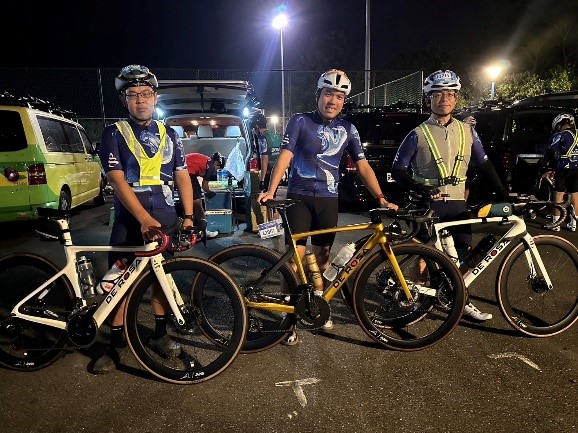
3. Pre-Race Training: Improving Z2 Aerobic Endurance
Endurance is the core of long-distance cycling. Gradually extend your training distance, starting from 50 kilometers and progressively increasing to 100 kilometers, focusing on maintaining a steady pace rather than speed.
- Posture Adjustment: Long rides can cause discomfort. Practice adjusting your posture during training to reduce strain and improve comfort.
4. Familiarize Yourself with the Route and Supply Plan
Understanding the race route and the locations of supply stations is crucial, especially for night riding.
- Supply Recommendations:
- Carry gels, energy bars, and lightweight solid foods (e.g., bread).
- Replenish energy and hydration every hour, avoiding excessive water intake that could disrupt your cycling rhythm.
- When fatigued, consider high-concentration caffeine products. To ensure effectiveness, reduce caffeine intake a month before the race to prevent your body from becoming desensitized.
5. Ensure Adequate Sleep and Nutrition
The race typically starts in the evening, so adjusting your schedule beforehand is essential to avoid the effects of disrupted sleep patterns.
Recommendations:
- Get at least 5–6 hours of rest before the race.
Consume a small amount of solid food one hour before the race to ensure sufficient energy levels.
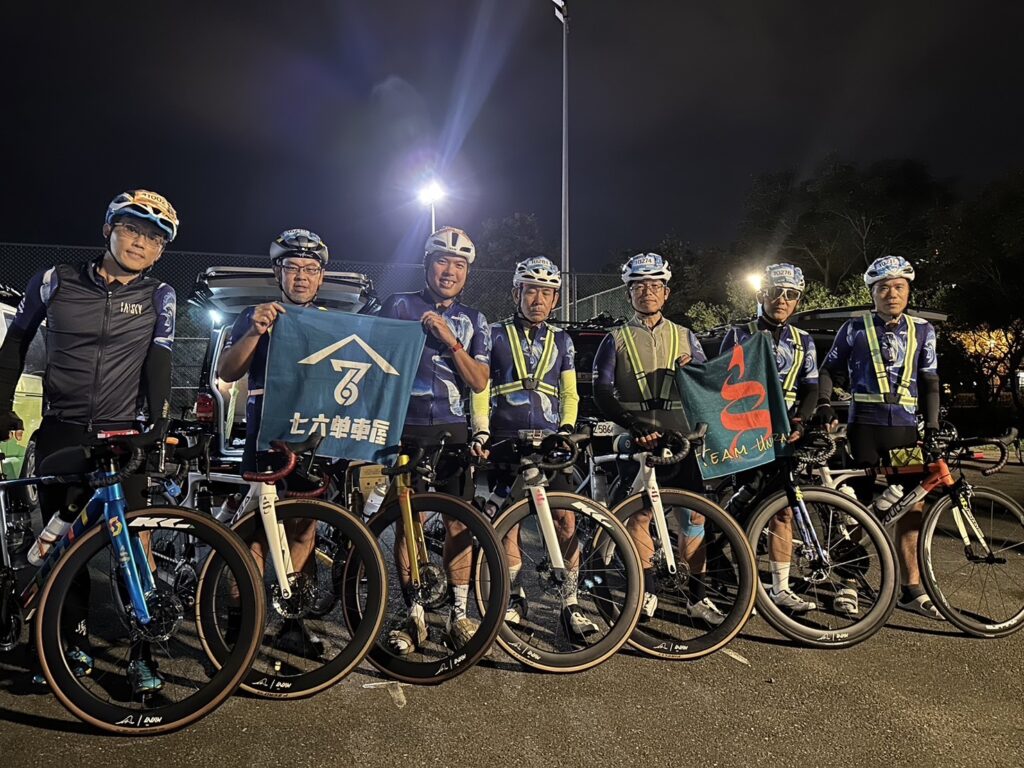
6. Team Riding and Coordination
Collaborating with teammates during long-distance rides can effectively reduce wind resistance and conserve energy.
Recommendations:
- Practice team riding in advance.
- Learn techniques for leading and breaking the wind, as well as rotating positions within the group.
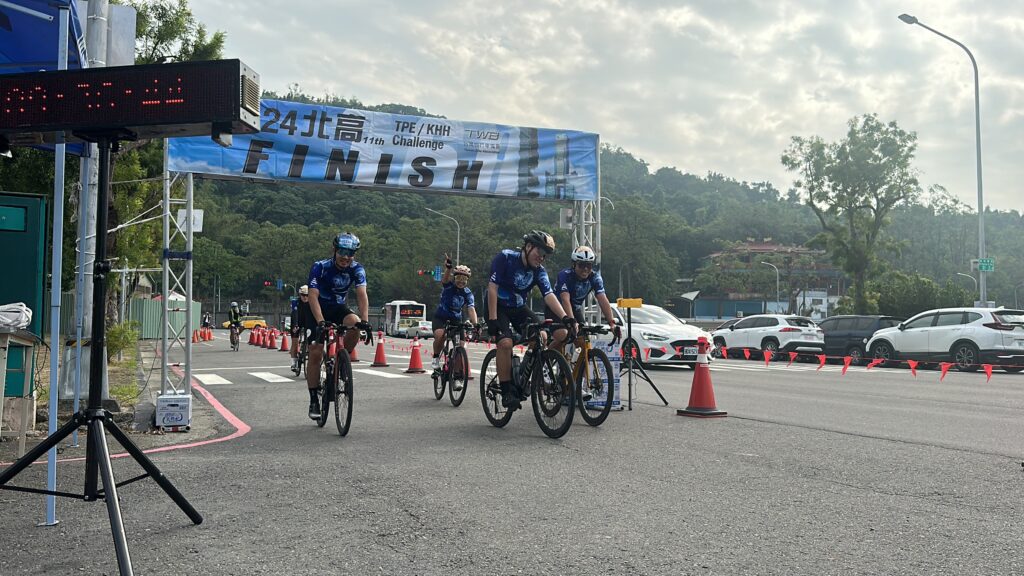
7. The Key to Finishing: Timely Refueling and Mental Fortitude
The North-South Taiwan/Double Tower race is a true test of physical strength, perseverance, and endurance.
- Energy Management: Timely refueling, maintaining steady output, and taking appropriate breaks are crucial.
- Mental Fortitude: When facing exhaustion, take short breaks, stay focused, and keep moving toward the finish line.
Remember: Successfully completing this challenge requires not only strong willpower but also thorough preparation and planning. By mastering these seven key elements, you’ll approach the race with greater confidence and be ready to take on this incredible journey!


